Transparent Fundraising Strategies
Building trust and accountability in donor relationships.
New & free: the Fundraising.AI AI Conversation Readiness Program. Get your team ready for AI, responsibly.Learn more
The podcast
Welcome to Fundraising.AI, your guide to navigating the ethical landscape of nonprofit fundraising and artificial intelligence. In this podcast, we explore the intricate intersection where philanthropy meets technology, delving into Responsible and Beneficial AI practices and their impact on fundraising endeavors.
Join us for engaging discussions with industry experts and thought leaders.
Building trust and accountability in donor relationships.
Harnessing technology to drive meaningful change and amplify impact.
Safeguarding donor information in an increasingly digital world.
Crafting algorithms that prioritize fairness, transparency, and inclusivity.
Exploring partnerships that promote Responsible and Beneficial AI adoption and innovation.
Whether you’re a nonprofit professional, fundraiser, or technology enthusiast, Fundraising.AI equips you with actionable insights and best practices.
The term ‘Responsible AI’ is more than a buzzword; it’s a call to action. When we talk about responsible AI, it’s not about some fancy tech tools; it’s about power, ethics, leadership, and long-term consequences.
Today’s conversation from the AI for Good Summit in Geneva, Nathan and Scott explore the evolving role of AI in shaping a better world.
In the rapidly accelerating world of Artificial Intelligence, the pace of innovation can feel overwhelming. From groundbreaking advancements to the ongoing debate about governance and ethical implications, AI is not just a tool; it’s a transformative force.
AI is no longer a remote concept; it’s here, reshaping how we communicate, work, and lead. But in a value-based sector such as healthcare philanthropy, AI adoption isn’t just about innovation; it’s about alignment, trust, and purpose.
In an era where Artificial Intelligence is redefining our world at a remarkably swift pace, the traditional way of doing things no longer guarantees decent outcomes.
In today’s rapidly evolving landscape of technology, Artificial Intelligence isn’t just another tool but is becoming a part of the framework of how we live and work.
Compassionate AI goes beyond kindness and empathy. It’s deep-rooted, human-centered intelligence that understands and supports a person as a whole.
AI continues to offer incredible opportunities to innovate and improve efficiency, making the way to transform how we live and work. While AI becomes more involved with our daily lives, it raises critical questions about responsibility, ethics, and governance.
From an emerging trend to a powerful everyday tool, AI has surely come a long way. In this episode of the Fundraising AI podcast, Nathan and Scott explore how modern AI is transforming work for the better.
AI continues to prove its potential to enhance human touch in an era where technology often feels like it’s replacing it. Most leaders are finding out that instead of replacing, AI can enhance empathy, streamline communication, and strengthen donor relationships.
What does it mean to be AI fluent? And why is this skill becoming crucial not just for tech teams but for nonprofit leaders, fundraisers, and other mission-driven professionals?
Xiaochen Z is the founder and chief AI officer at AI2030, a global network focused on driving responsible and ethical AI development for the good of humanity.
Meet your hosts
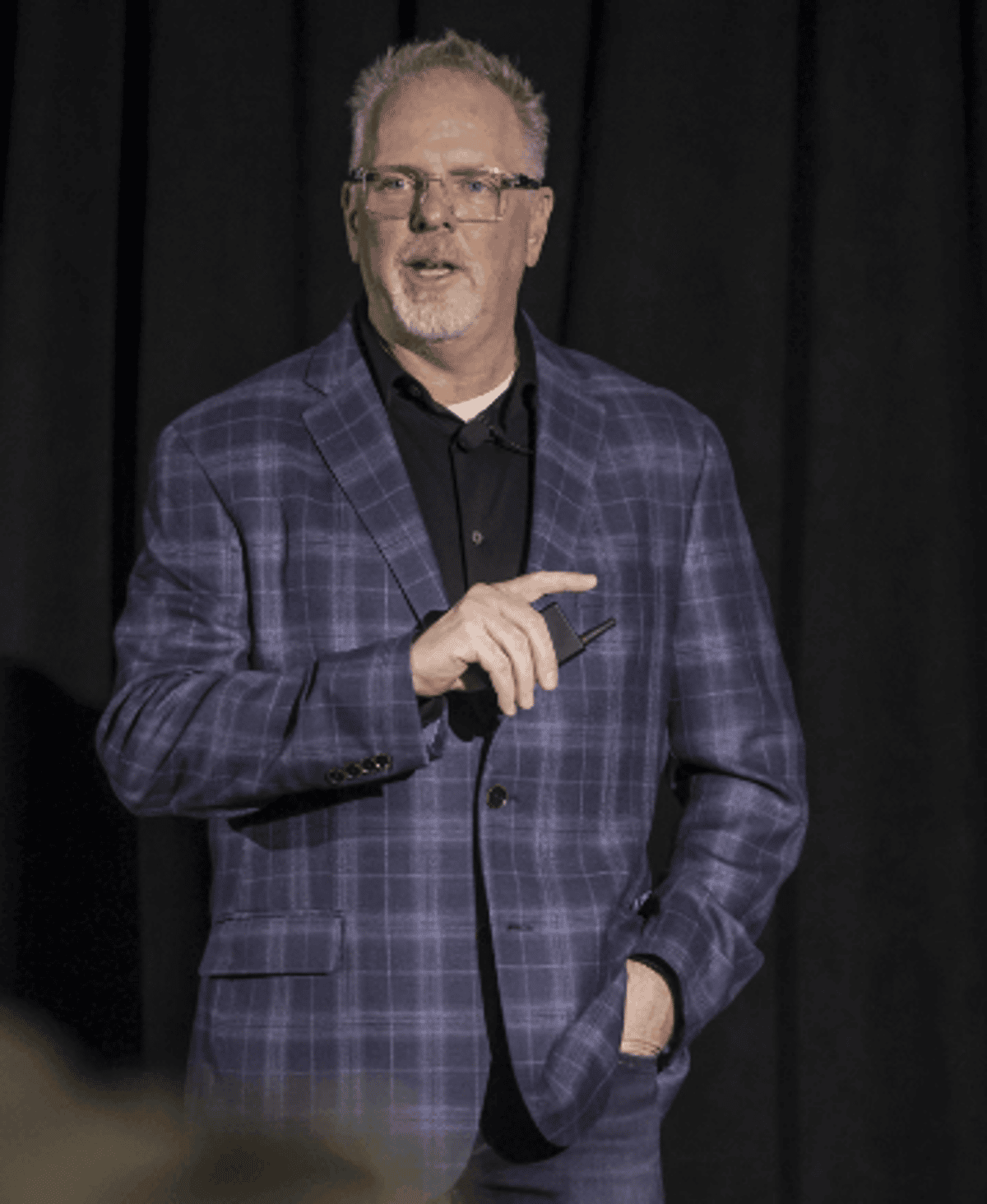
Founder, Fundraising.AI
Nathan is widely recognized as a leading authority on the intersection of artificial intelligence and philanthropy. He co-authored the award-winning Generosity Crisis and Nonprofit AI, and he founded Fundraising.AI to promote responsible and beneficial AI adoption in the nonprofit space.
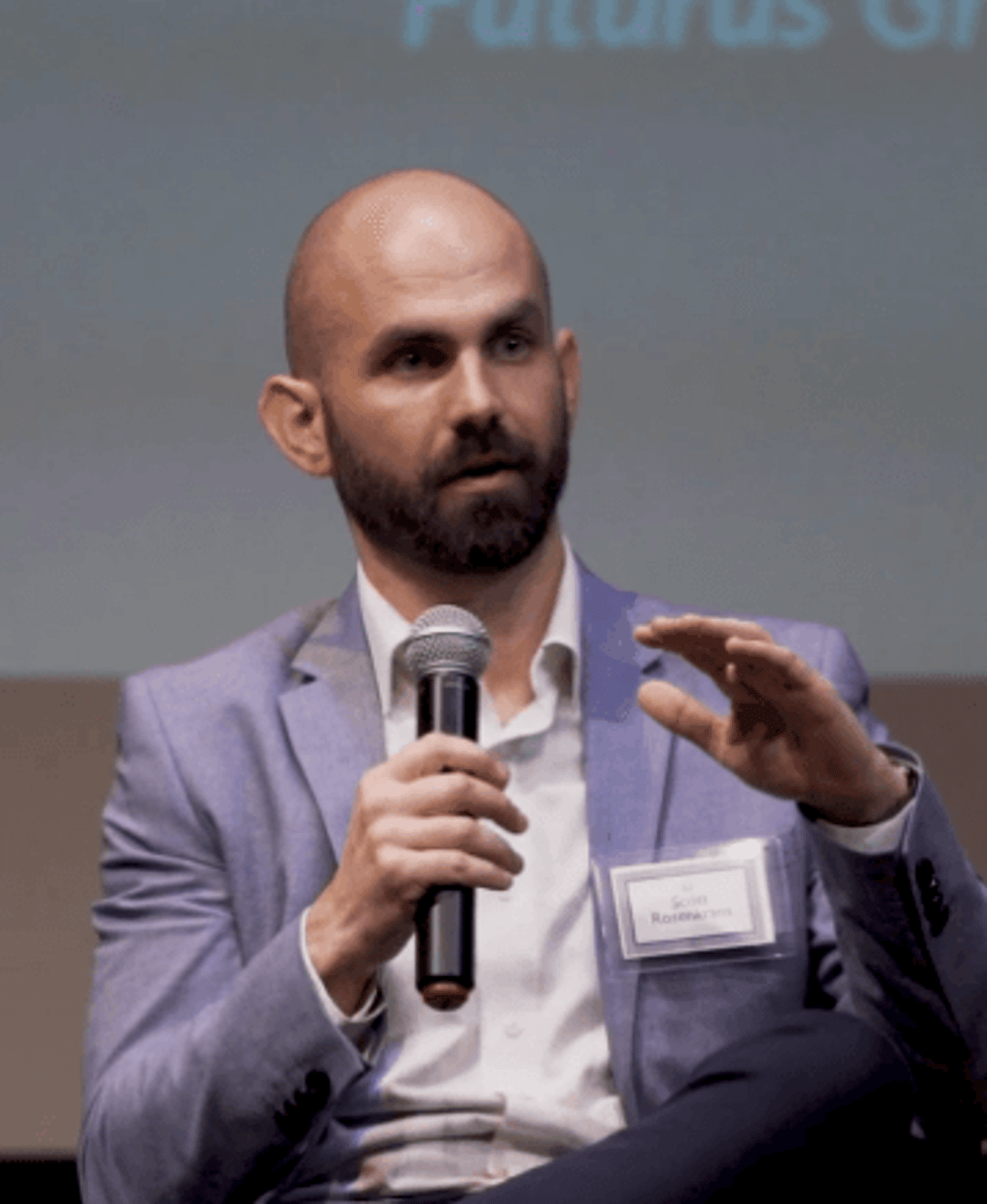
VP of AI Innovation, DonorSearch Ai
Scott began his journey in the nonprofit sector twelve years ago as a prospect researcher. He became interested in predictive modeling and data analytics, and began to create an immense commitment to delivering tailor-made machine learning models to nonprofits.
This podcast is sponsored by